A GIFT TO THE PROVINCE, THE COUNTRY, AND THE FUTURE.The Seal River Watershed Indigenous Protected Area Initiative.
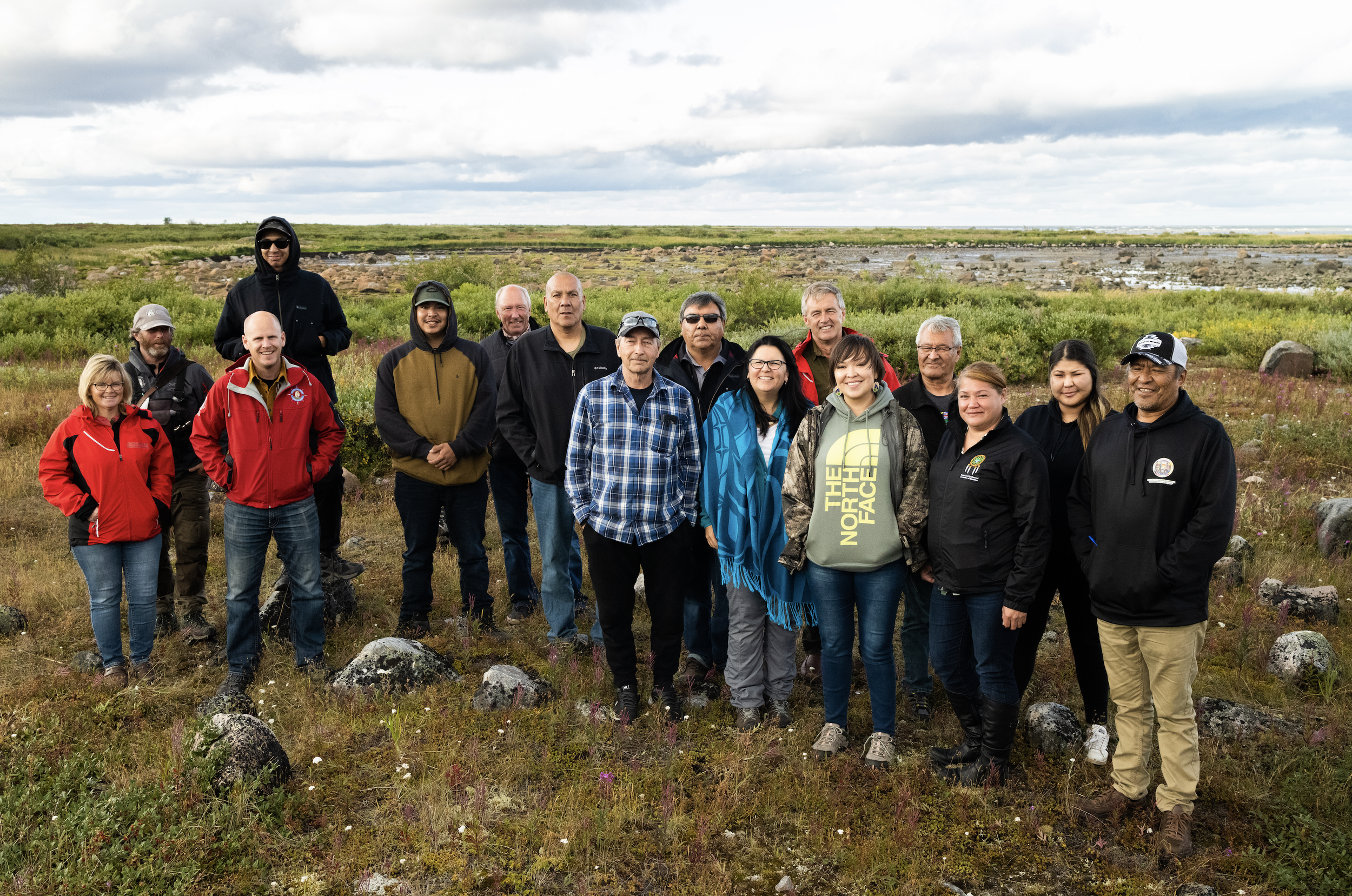
The Seal River Watershed Alliance is represented by four First Nations — The Sayisi Dene First Nation, Northlands Dene First Nation, Barren Lands First Nation, and O-Pipon-Na-Piwin Cree Nation – who are working together to preserve our traditional territories.
Our Nations want to designate the entire watershed as an Indigenous Protected Area (IPA) according to our laws. We also want to combine the IPA with provincial and national parks–forming the equivalent of a patchwork pattern on a star blanket. This gives us more tools and resources to support caring for the land, sustaining our way of life, and welcoming visitors.
We are guided by Dene and Cree law, which is rooted in shared responsibility and respect. Our efforts are built on strong relationships and collaboration with First Nations communities, the Governments of Canada and Manitoba, and our neighbors in the watershed. Tens of thousands of Manitobans have also signed a statement of support and are standing with us in our vision to protect and care for the watershed.
The Seal River Watershed is more than a place; it’s our home, our history, and an opportunity to protect a vast landscape and provide a healthy future not only for our communities, but for all Canadians.
THE LATEST ON PROTECTING THE SEAL RIVER WATERSHEDThe Alliance, along with the Government of Manitoba and Canada, created the Indigenous Protected Area proposal through a collaborative, multiyear partnership. Since the Alliance launched in 2020, it has engaged with neighbours, rights holders, lodge owners, outfitters, hunting associations, and tourism associations.
In January 2024, the Alliance signed an agreement with the Government of Canada and the Manitoba Government, providing interim protections for the watershed while studying the feasibility of creating a protected area, in a Nation-to-Nation-to-Nation way. The Nations of the Alliance, Manitoba, and Canada then entered negotiations to solidify an agreement to protect the area. In March 2025, they signed a report confirming that a protected area is feasible, leading to more consultations and discussions on the best ways to bring our vision to reality.
Today, in 2026, the Seal River Watershed Alliance, the Manitoba government, and the Government of Canada have released a proposal outlining the ways in which this Indigenous-led and collaborative effort would conserve the Seal River Watershed. It recommends a network of protected areas that will sustain lands and waters, in a way that honours Dene and Cree traditions and welcomes visitors. The public is now being asked to provide comments on the proposal on the EngageMB platform.
YOUR TOP QUESTIONS, ANSWERED. “What is the status of the protected area?”
“Are we trying to kick anybody out from the watershed?”
“Will non-Indigenous people be able to visit?”
“What will happen to existing lodge owners and outfitters
in the watershed?”
We’ve gotten quite a few questions about the Alliance’s initiative. Our executive director, Stephanie Thorrasie, has the answers.
Frequently Asked Questions
-
Indigenous Protected Areas (IPA) take many forms, but they share common elements: they are Indigenous led; they represent a long-term commitment to conservation; and they elevate Indigenous rights and responsibilities. Several IPAs have been established in recent years, including in partnership with Crown governments as national, provincial, or territorial parks.
-
The four First Nations in the area formed the Seal River Watershed Alliance in 2020 to advance the proposed IPA. From the start, the Alliance has worked to bring all parties to the table, meeting with counterparts from the governments of Manitoba and Canada, community members, businesses owners, tourism associations, rights holders, and conservation groups.
In 2024, the Alliance and Government of Canada kicked off a formal consultation process–as part of the feasibility assessment for a protected area–that collected feedback from stakeholders and the public. All three parties also invited stakeholders to meet together to share their interests and concerns. When the IPA proposal shifts into a negotiation phase, another extensive round of public and stakeholder consultation will begin with all three parties.
-
The Alliance welcomes visitors! The Seal is the largest undammed river in Manitoba, and the watershed is home to world-class hunting and fishing, bird watching, and cultural activities.
The Alliance Nations want Manitobans and others to access the beauty of these lands and traditions. The IPA will support a growing tourism industry that will create economic opportunity—not only for our four Nations, but across northern Manitoba.
-
The Seal River Watershed Alliance, the Manitoba government, and the Government of Canada just released a proposal to conserve the Seal River Watershed. It recommends a network of protected areas that will sustain lands and waters, honour Dene and Cree traditions and welcome visitors. The public can provide comments on the proposal at EngageMB.
-
Yes on the majority of the watershed in the provincial parks. As for the national park, hunting will not be allowed 10 years after establishment. But remember, the watershed is 50,000 square kilometre, and licensed hunting will be allowed in more than half of that.
-
Harvesting is central to the Dene and Cree way of life. It is also important to many Manitobans. The Alliance supports harvesting that respects community values and sustains animals and fish into the future.
That’s why the proposal calls for continued access for licensed hunters and anglers. In the provincial parks, for instance, people can enjoy a range of outdoor activities, including hunting, fishing, guided outfitting, and ecotourism. And in the national park reserve, outfitting and licensed hunting would also be allowed in about half of the national park reserve and will be phased out over 10 years following park establishment.
-
The Alliance, Manitoba, and Canada would steward all the protected areas through shared decision making. The proposal recommends having the Alliance, Canada, and Manitoba create a joint management board for the entire IPCA and including the national and provincial park areas.
The joint management board would include representatives appointed by Indigenous governments, the Manitoba government and the Government of Canada. Final decisions would be made by the government with jurisdiction.

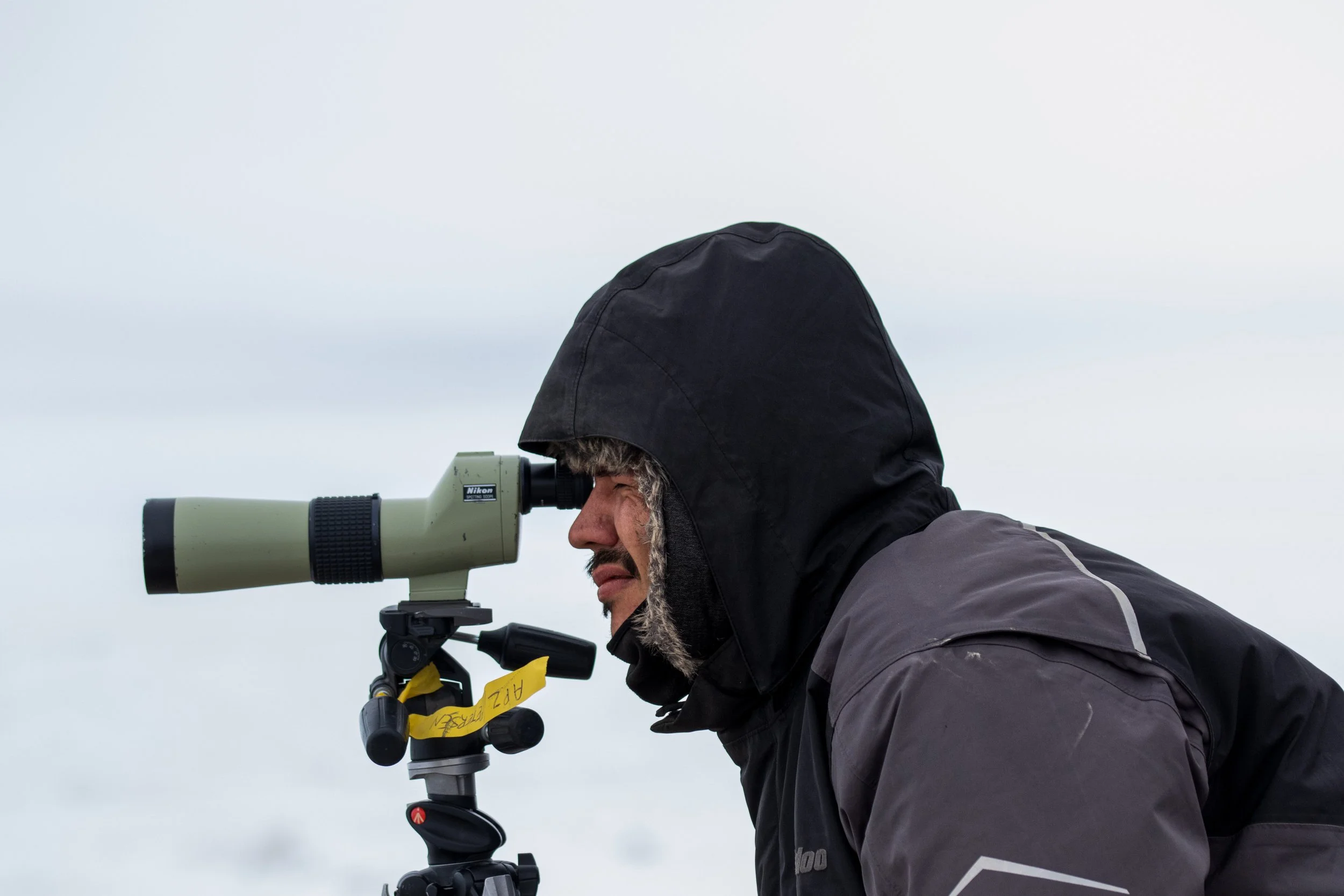
“The Alliance has worked hard to bring everyone to the table and identify our shared goals for the watershed. This collaborative process offers a made-in-Manitoba model for positive partnership.”
“We want to protect the land for not just for the First Nations but for all Manitobans, and for all Canadians. There are not many places left in the world that are pristine as the watershed.”
Take Action
Permanently protect the Seal River Watershed from industrial development as an Indigenous Protected Area.
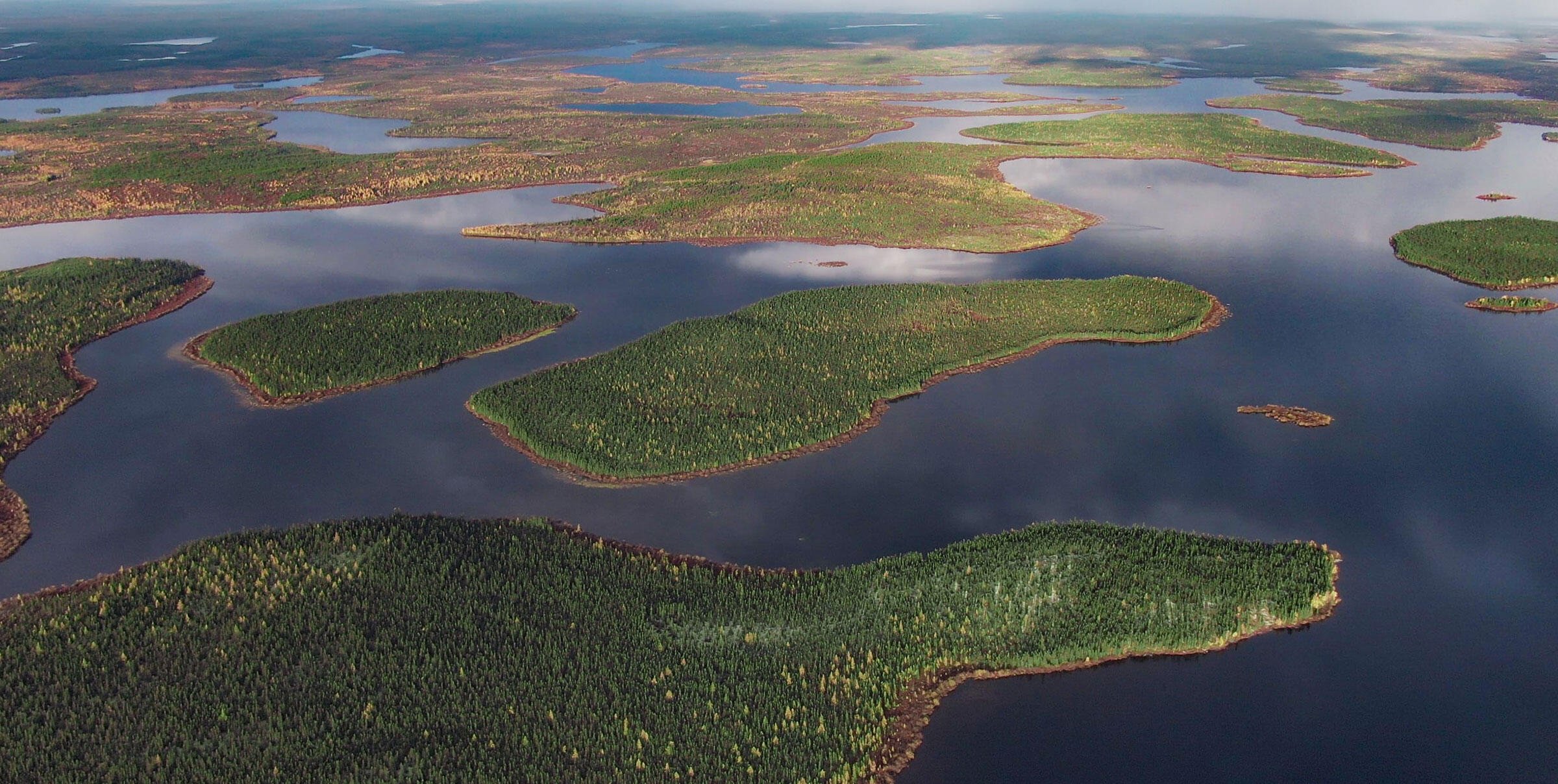
We envision a pristine watershed where people, animals and fish are healthy, our unique languages and cultures are thriving, and there is hope and abundance for all future generations.
Cooperative Relationship
Seal River Watershed & Ancestral Lands Protected Area
-
Sayisi Dene First Nation
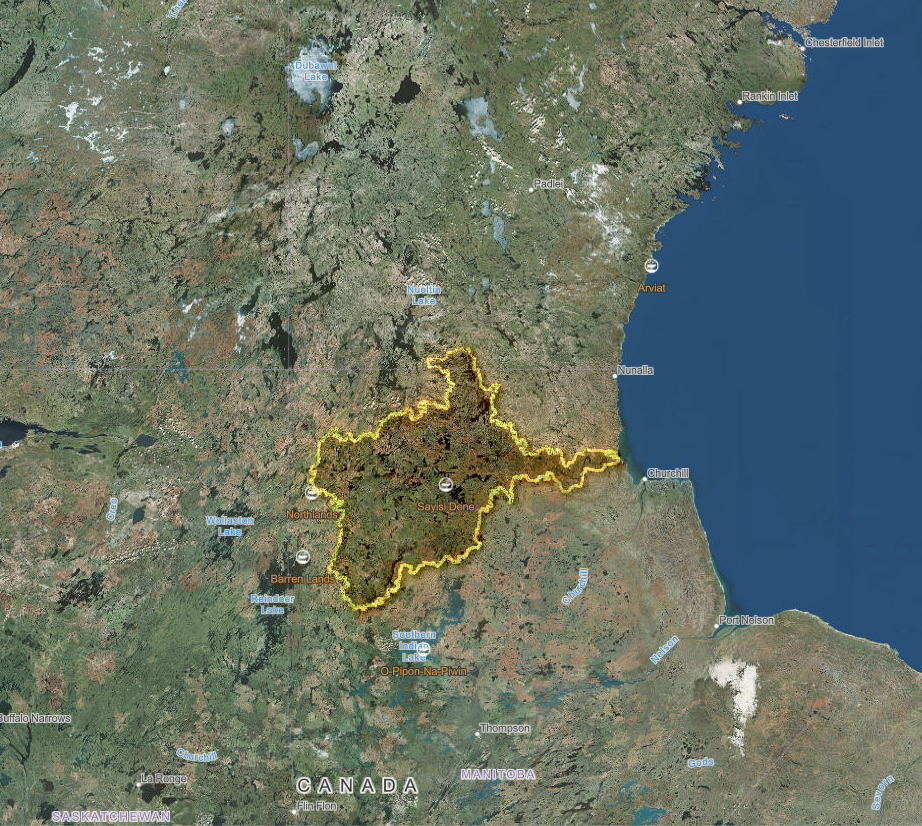
The Sayisi Dene First Nation is based in Tadoule Lake. They have lived in the Seal River Watershed since time immemorial.
-
Northlands Dene Nation
Northlands Denesuline First Nation, based in Lac Brochet known as Dahlu T’ua in Dene, is the northernmost First Nation in Manitoba.
-

Barren Lands First Nation
Barren Lands First Nation is based on the north shore of Reindeer Lake, where many community members live in Brochet.
-

O-Pipon-Na-Piwin Cree Nation
O-Pipon-Na-Piwin Cree Nation is located along South Indian Lake in the heart of the boreal forest, where Cree sites date back 6,500 years.
Seal River Watershed IPA Initiative

VIDEO