A Plan for Protecting the Seal River Watershed
A GIFT FOR OUR NATIONS, THE PROVINCE, THE COUNTRY, AND THE FUTURE.
Our Vision
The Sayisi Dene First Nation, Northlands Dene Nation, Barren Lands First Nation, and O-Pipon-Na-Piwin Cree Nation have come together to permanently protect the Seal River Watershed.
We envision a pristine watershed where people, animals and fish are healthy, our unique languages and cultures are thriving, and there is hope and abundance for all future generations.
A New Milestone
Now, we are proud to reach an important milestone. The Seal River Watershed Alliance, the Manitoba government, and the Government of Canada released a proposal to conserve the watershed.
This shared vision will sustain lands and waters, honour Dene and Cree traditions, and welcome visitors.
A Proposed Plan for Protection
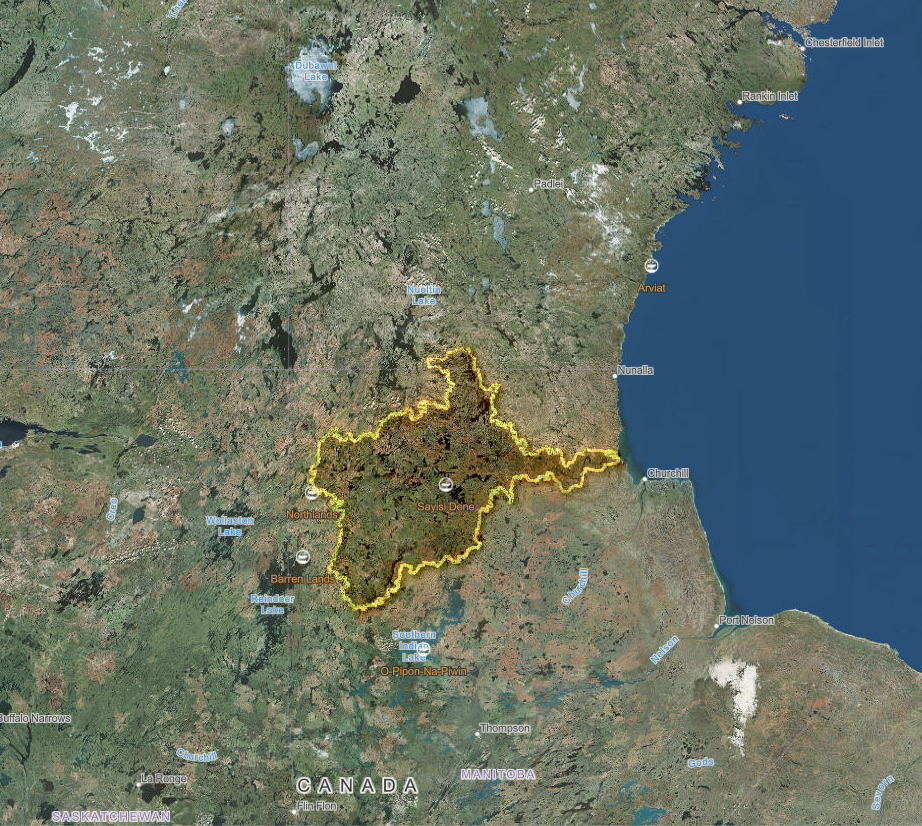
Through a collaborative process, the Alliance and our partners drafted a plan for sustaining the watershed. The proposal calls for combining several layers of protections at once–forming the equivalent of a patchwork pattern on a star blanket.
The entire Seal River Watershed will be designated as an Indigenous Protected and Conservation Area (IPCA), according to our laws.
About two-thirds of the watershed would be protected through provincial parks and protected areas.
About one-third of the watershed would be designated as a national park reserve.
A Big Dene & Cree Welcome
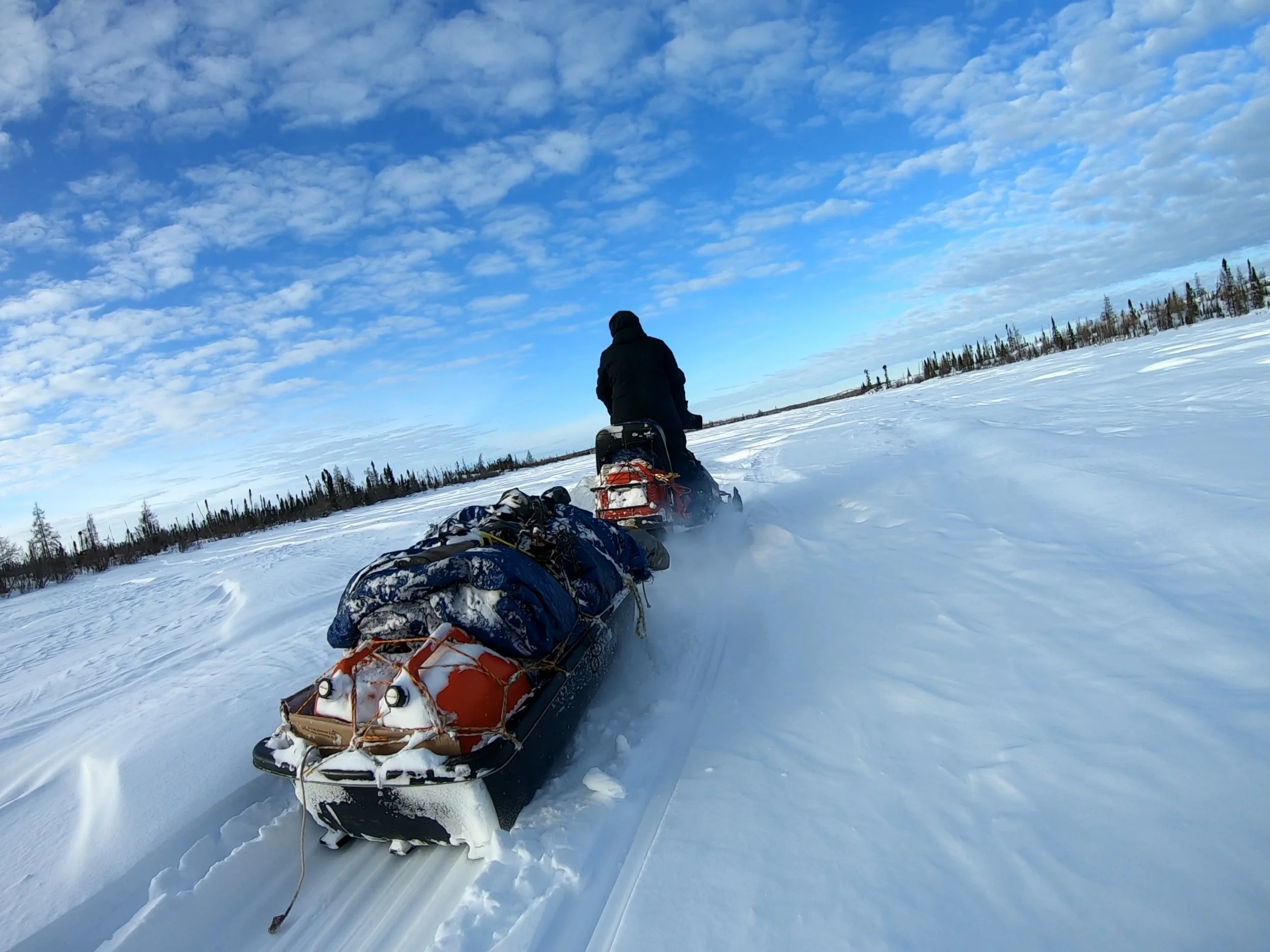
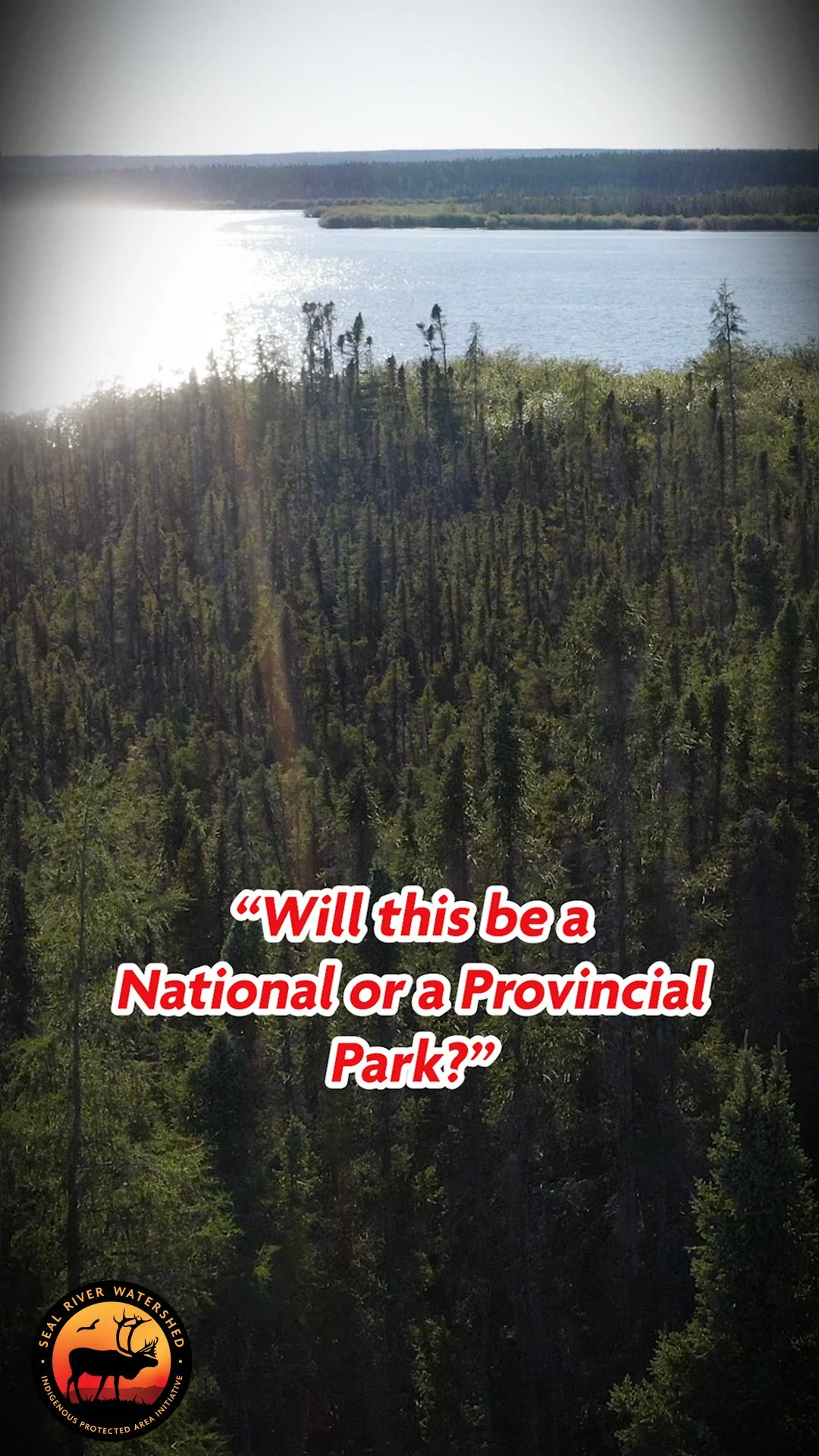
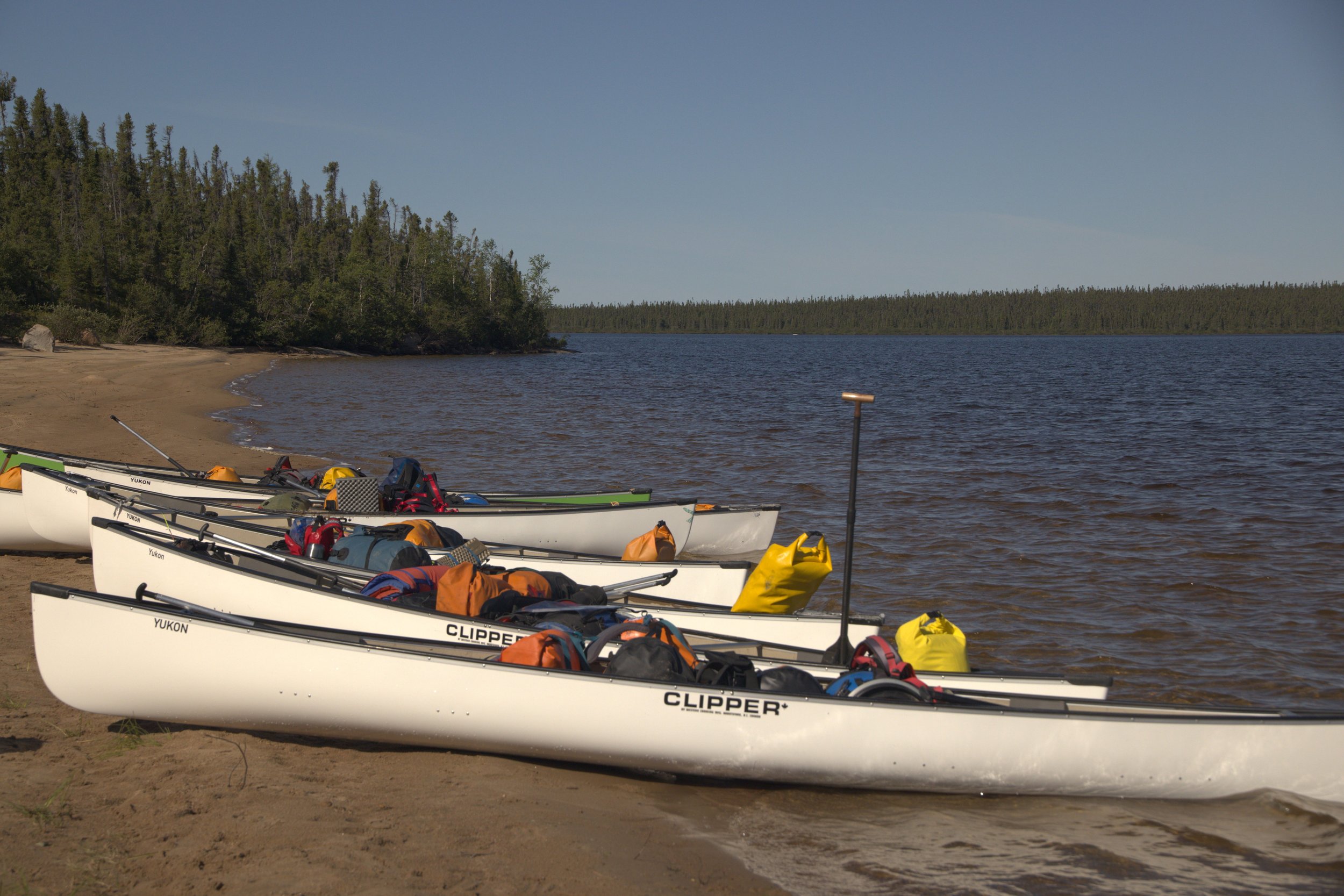
Our four First Nations welcome visitors to the watershed. We are expanding tourism, because we want people to paddle the last undammed river in Manitoba, go bird watching for over 100 different species, and learn about Dene and Cree cultures.
The watershed also offers world-class fishing and hunting—a cornerstone of Dene and Cree cultures and food security and a tradition for many Manitobans.
That’s why the Alliance, Manitoba, and Canada are working to ensure continued access for licensed hunters and anglers, enabling people to harvest in ways that respect community values and sustain animals into the future.
Your questions answered.


-
Indigenous Protected Areas (IPA) take many forms, but they share common elements: they are Indigenous led; they represent a long-term commitment to conservation; and they elevate Indigenous rights and responsibilities. Several IPAs have been established in recent years, including in partnership with Crown governments as national, provincial, or territorial parks.
-
Yes! We welcome visitors to the watershed! We want people to float the last undammed river in Manitoba, learn Dene and Cree stories, hunt and fish, and enjoy the land. We are expanding tourism opportunities so we can share the beauty of the watershed.
-
Yes. Outdoor activities that occur in Manitoba’s provincial parks would continue in the new provincial park, including hunting, fishing, guided outfitting, and ecotourism. In the national park reserve, outfitting and licensed hunting would also be allowed in about half of the national park reserve for the 10 years following park establishment.
-
In 2024, the Alliance and Government of Canada kicked off a formal consultation process–as part of the feasibility assessment for a protected area–that collected feedback from stakeholders and the public. All three parties also invited stakeholders to meet together to share their interests and concerns. When the IPA proposal shifts into a negotiation phase, another extensive round of public and stakeholder consultation will begin with all three parties.
-
The proposal calls for establishing a joint management board appointed by the elected leadership of Indigenous governments, Canada and Manitoba. The joint management board would operate by consensus, guide stewardship and decision-making, and develop a management plan rooted in science and Indigenous knowledge, local user and community input and the interests of all Manitobans and Canadians.
-
Everyone's voice matters! Whether your live in Manitoba, Canada, or beyond, we welcome your input. Share your feedback at EngageMB.
-
We look forward to receiving feedback on the proposal from Manitobans and Canadians. Following the consultation, the next milestone will be the Establishment Agreement–the legal mechanism used to create the Indigenous Protected and Conserved Area in collaboration with Manitoba and Canada.

“The Alliance has worked hard to bring everyone to the table and identify our shared goals for the watershed. This collaborative process offers a made-in-Manitoba model for positive partnership.”
Chief Simon Denechezhe, Northlands Denesuline First Nation
“We want to protect the land for not just for the First Nations but for all Manitobans, and for all Canadians. There are not many places left in the world that are pristine as the watershed.”
Chief Michael Sewap, Barren Lands First Nation

A Place Like
No Other.
Research indicates that 99.97%
of the watershed remains intact.
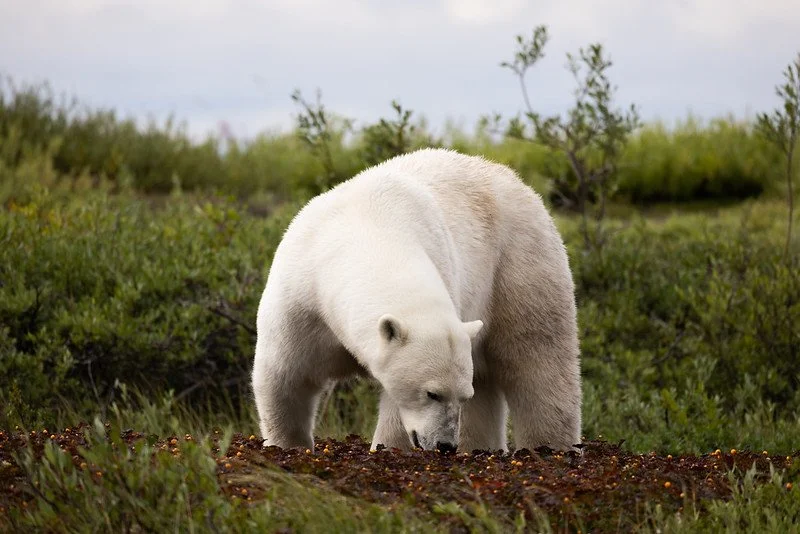
The watershed is home to over 30 species at risk, including caribou,
polar bears, and wolverines. It holds 1.7 billion tonnes of carbon in soils and wetlands—equivalent to 8 years’ worth of Canada’s greenhouse gas emissions. Seal River Watershed Alliance
-
Sayisi Dene First Nation
The Sayisi Dene First Nation is based in Tadoule Lake. They have lived in the Seal River Watershed since time immemorial.
-
Northlands Dene Nation
Northlands Denesuline First Nation, based in Lac Brochet known as Dahlu T’ua in Dene, is the northernmost First Nation in Manitoba.
-

Barren Lands First Nation
Barren Lands First Nation is based on the north shore of Reindeer Lake, where many community members live in Brochet.
-

O-Pipon-Na-Piwin Cree Nation
O-Pipon-Na-Piwin Cree Nation is located along South Indian Lake in the heart of the boreal forest, where Cree sites date back 6,500 years.
